


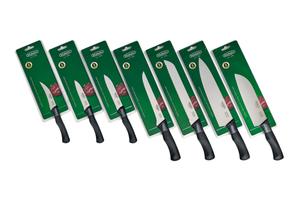
When we hear the term “kitchen knife,” many of us still picture some generic knife tucked away in the kitchen cabinet that we use for absolutely everything while cooking. And that’s a shame, because choosing the right knife not only saves us unnecessary effort but also reduces the chance that we’ll cut into our finger instead of the vegetables, bread, or meat. So it’s a good idea not to skimp on knives and to try out which of these tools is best suited for a specific task. Let’s take a look at the options in our basic line of popular kitchen knives, which we’ve named KLASIK.
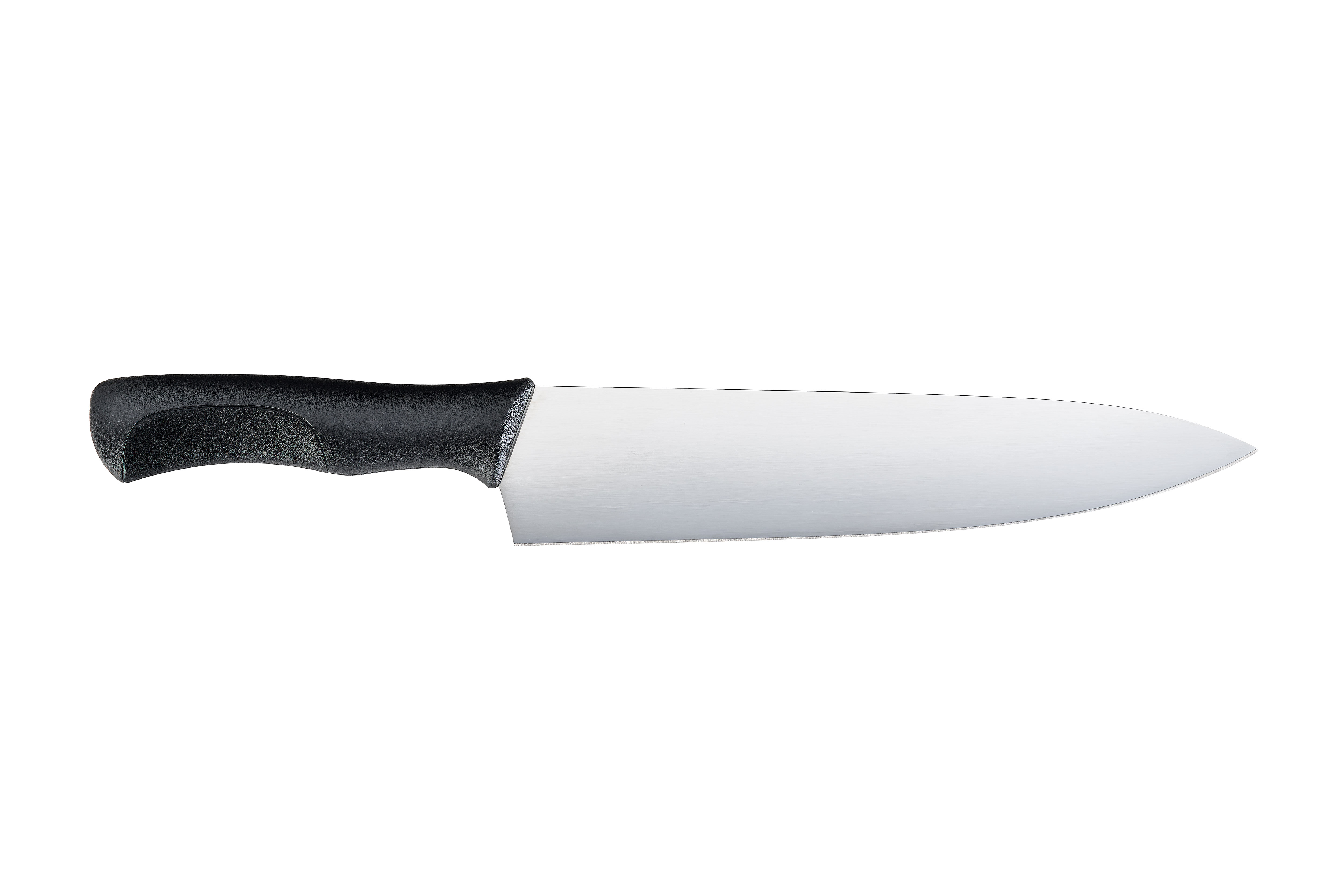
It’s the largest of the kitchen knives and is also known as a chef’s knife. It can handle almost any task we expect from a kitchen knife, which is why professionals reach for it most often. The knife has a wide blade, which ensures sufficient space between the fingers gripping the handle and the cutting board. When slicing and portioning, the wide, curved blade makes the knife easy to maneuver, allowing it to glide sideways across the cutting board with the tip resting against it. It cuts meat, cold cuts, fruit, vegetables, and herbs with ease.
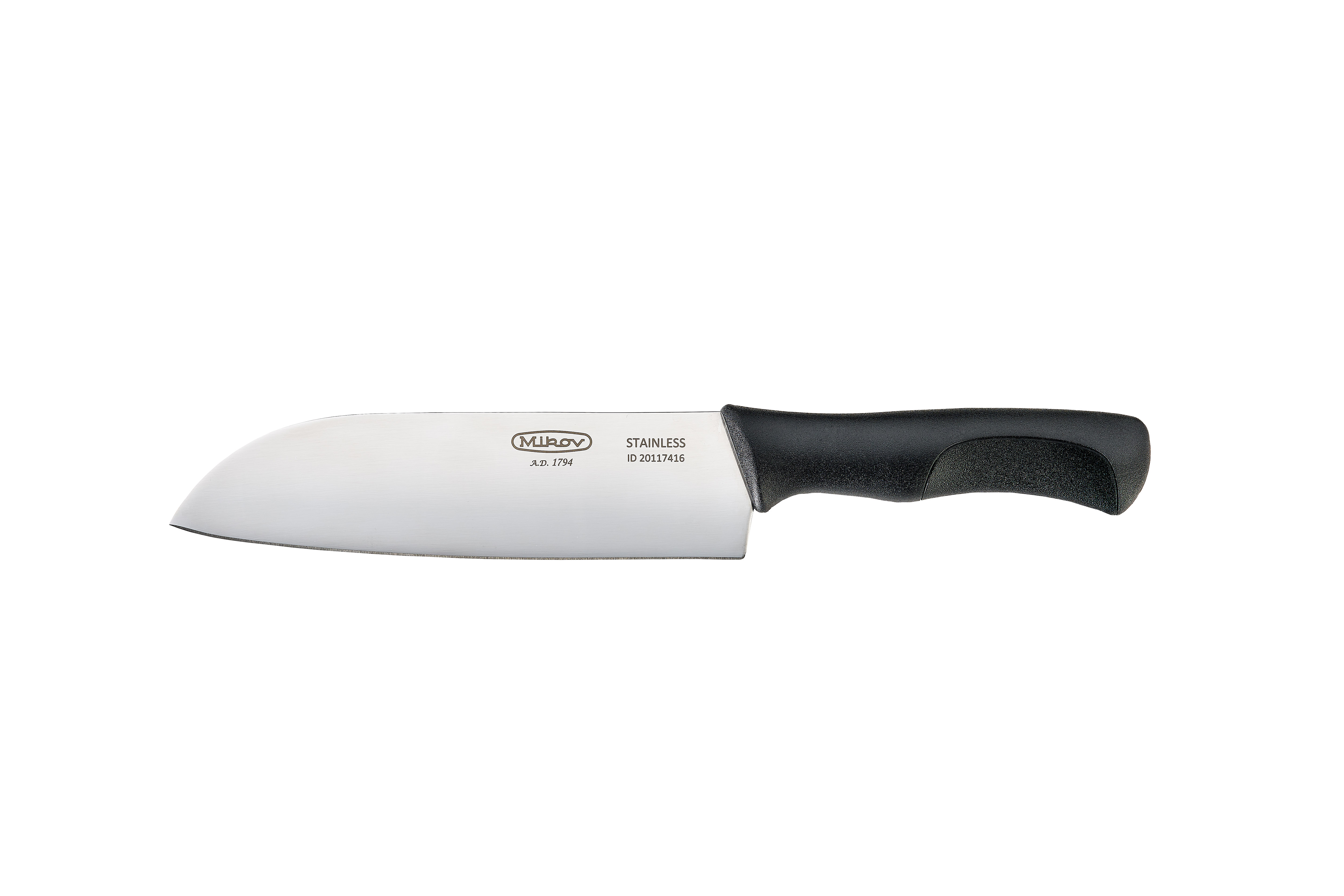
An increasingly popular knife in Czech kitchens, though it originates from Asian cuisine and translates to “knife of three virtues.” Thanks to its light weight, thin blade, and wide tip, it can cut very narrow and small pieces. It is used primarily for cutting vegetables.
Before slicing, vegetables need to be cleaned, peeled, or have certain parts cut out. A utility knife or santoku knife is too large and clunky for this task, which is why a vegetable knife is small, lightweight, and easy to handle.
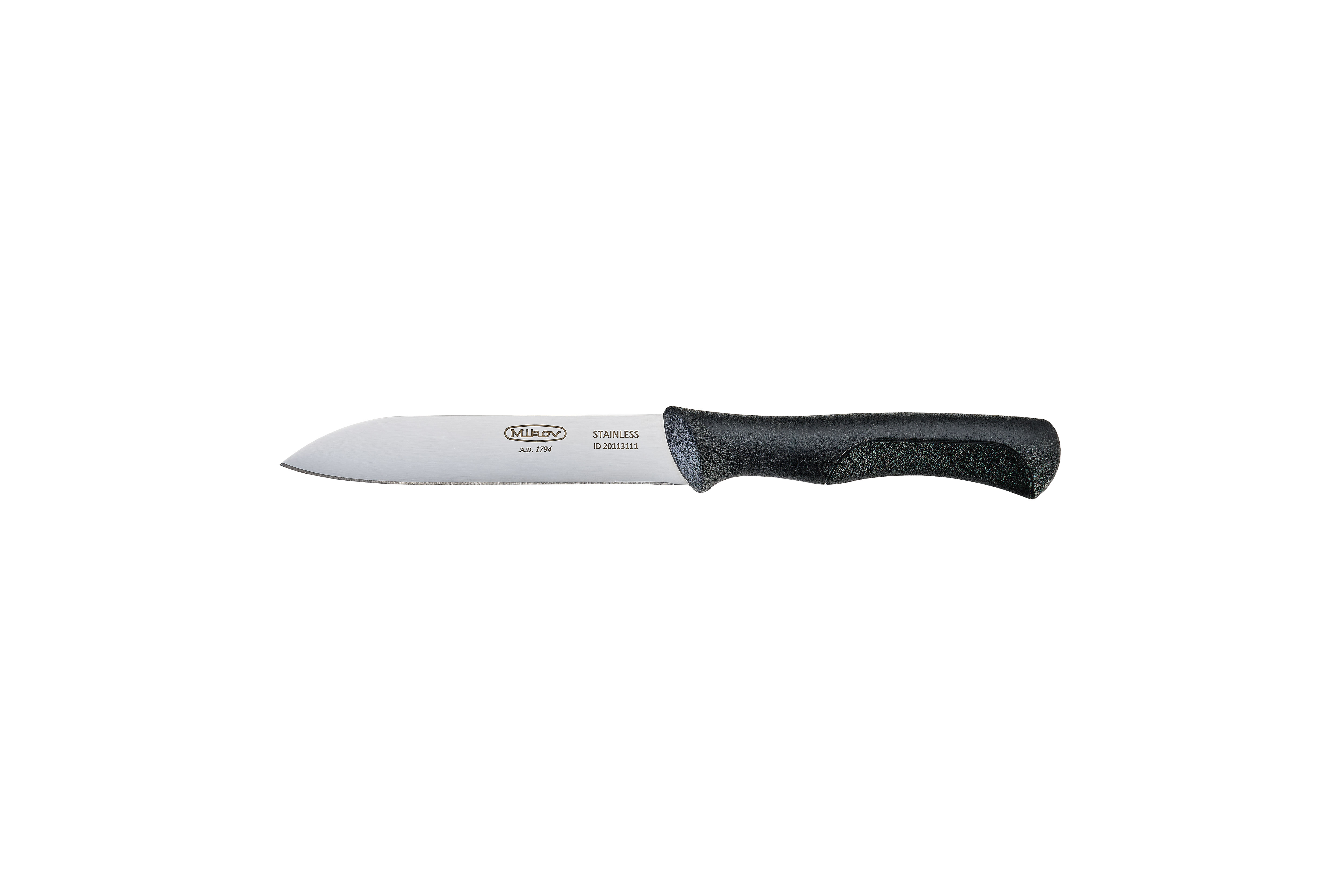
It has a tapered, flexible blade that conforms to the bone during deboning, preventing unnecessary damage to the meat. In addition to separating meat from bone, it’s also great for removing tendons and skinning.

It is similar to a boning knife, but its design is better suited to the anatomy of fish. It is perfect for filleting and skinning fish when required for meal preparation.

As its name suggests, it is primarily designed for peeling fruits and vegetables, but it is also suitable for chopping herbs or sliced meats. It pairs well with a vegetable knife.

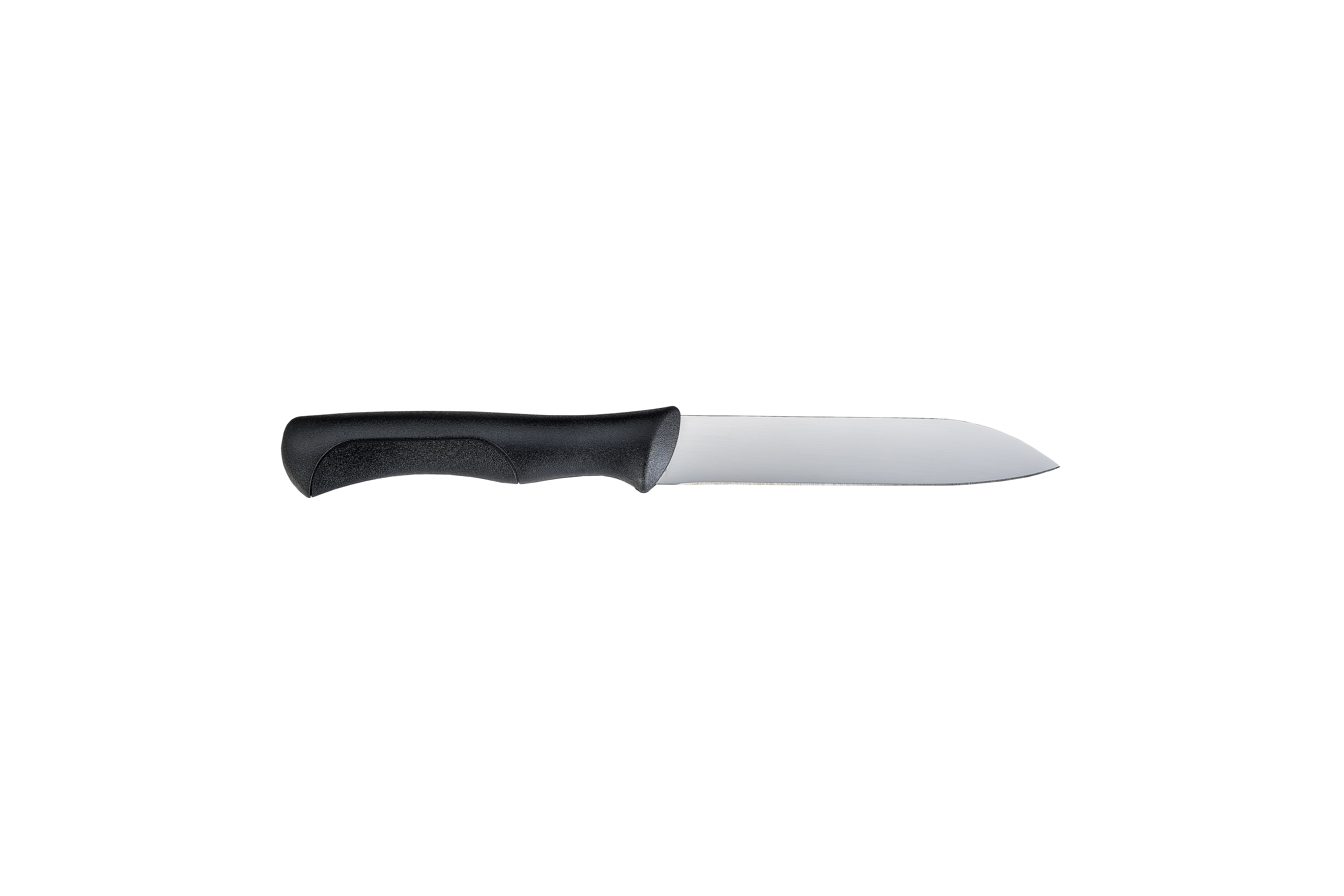
Just like a chef’s knife, a utility knife can be used for all kinds of food preparation tasks. It’s popular not only for its versatility but also because it’s smaller than a chef’s knife, which can sometimes be a bit intimidating.